The school has four sections.
They are:
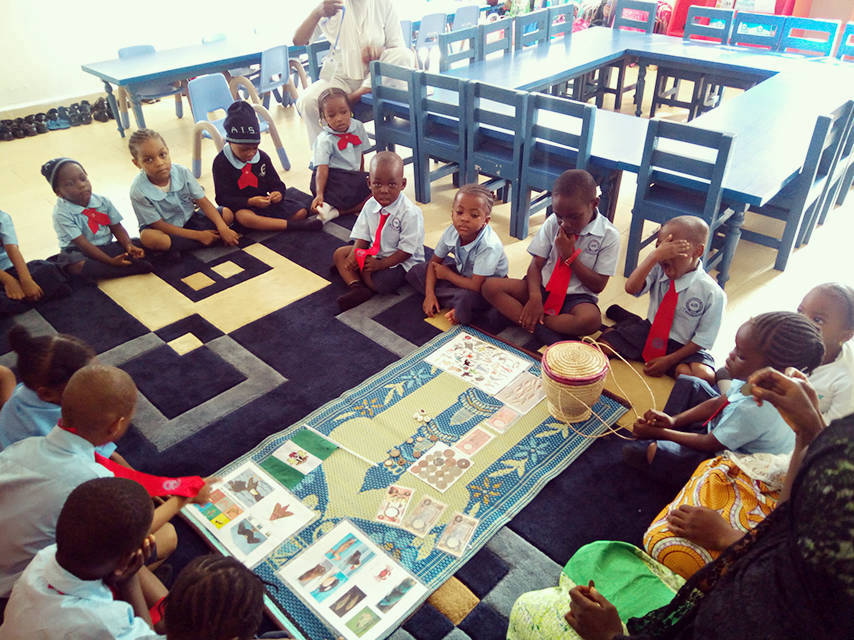
Preschool community: Comprises the playgroup community and the preparatory class: This class is for children 18-36 months of age. The preschool section is designed to accomodate the young pupils into a friendly and child centered enviroment, using montessori principles and applications. We focus our attention on all necessary skills needed to develop the pupils. It runs from 6:00am to 1;30pm.
Nursery/chlidren's house: A blend of the nigerian curriculum and the british early years Foundation curriculum and montessori principles and applications for children aged 3-5 years of age. The section runs from 8:00am to 2:00pm.
Primary/Basic classes:
The basic section has a blend of Nigerian and british curricular, using montessori principles and applications. The school runs from 8:00am to 2:30pm. The school has 6 basic classes ( basic 1-6) The following are the subjects offered in the basic section.
Al-Ali International school has commenced secondary education from Jss1-Jss3
Subjects Offered:
1.Mathematics
2.English language
3.Basic Science and Technology
4.Agricultural Science
5.Social Studies
6.Computer Science
7.French
8.Christian Religious Studies
9. Islamic Religious Studies
10.Creative/Cultural Arts
11.Phonics
12.Quantitative Reasoning
13.Verbal Reasoning
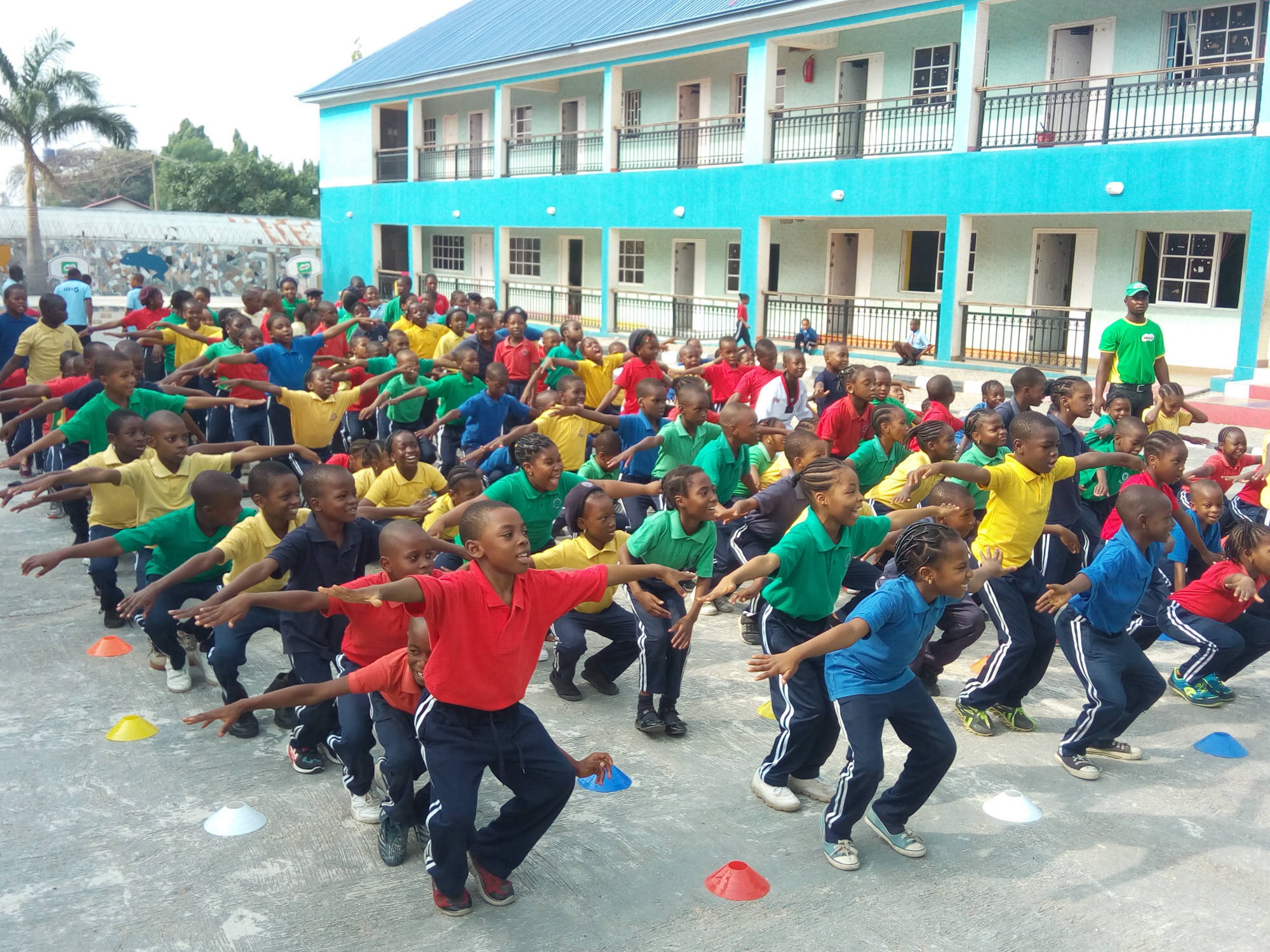
14.Physical And Health Education
15.Civic Education
16.Vocational Studies
17.One Nigerian language (yoruba, hausa or igbo)
A pupil at (AIS) school obtains a world standard, first class education which fosters a firm foundation for future learning. Top priority is placed on seeing children learn right things, the right way in the right enviroment.
The school uses a well prepared curriculum for laying a solid academic foundation for children ages 18 months -11 years.
Montessori method; There are five areas of the Montessori curriculum, Each preschool classroom is well equipped with materials that aid learning in these areas. The curricular areas are;
Practical life; This area of the curriculum is designed to invite the young learner to act and work on real life tasks that foster independence, coordination, order and concentration. It is in a sense the door way to the Montessori curriculum. This is the area where the child may choose independent work.
Sensorial; Dr Montessori saw the sense as the " doorway to the mind". She considered sensory and manipulation not only as an aid to the development of maturing sense organs but a starting pint for intellectual growth. This excersise makes children better prepared for future learning in math language, and science and making sense of life's experiences and information in general.
Mathematics: The central purpose of the math materials in the early years is to lay the foundation for later cognitive development and to prepare for the gradual transition to abstract thinking. Montssori students use hands-on learning materials that make abstact concepts clear and concise.
Language; Development is a concern of the entire Montessori classroom. In the language area we will find a large variety of reading materials including materials for phonetic analysis, word attack skills and reading asa well as materials for the refinement for the refinement of motor control for writing.
In the Montessori method, writing precedes reading, as the children explore with drawing and forming letters. T he process of learning how to read should be as painless and simple as learning how to speak. The child begins by exploring the sounds thta compose words and by relating them to the letters of the alphabet. He can soon produce words and sentences free of all mechanical difficulties. In the mean time, he trains his hand to become precise and sure for writing movements. Reading is prepared indirectly from writing. The child starts from what he knows about the letters and the sounds, Then we give him the key to read all the words he can encounter. Reading skills normally develop so smoothly in Montessori classrooms thta students tend to exhibit a sudden "reading explosion" which leaves the children and their families beaming with pride. Dr. Montessori research confirmed what observant parents have always known, children learn best by touch and manipulation not by repeating what they are told.
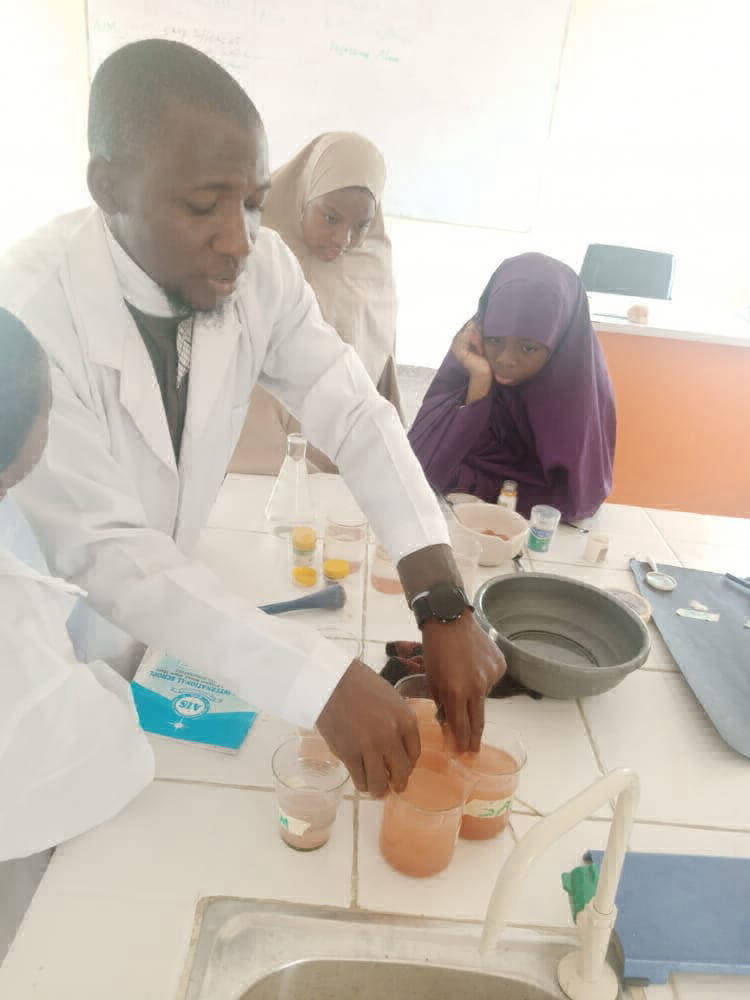
Cultural Work; Science is an integral element of the Montessori curriculum. among other things, it represents a way of life, a clear thinking approach to gathering information and problem solving. The scope of the Montessori science curriculum includes a sound introduction to botany, zoology, chemistry, physics, geology and astronomy. The Montessori approach to science cultivates children's fascination with the univers and helps them develop a lifelong interest in observing nature and discovering more about the world in which we live.
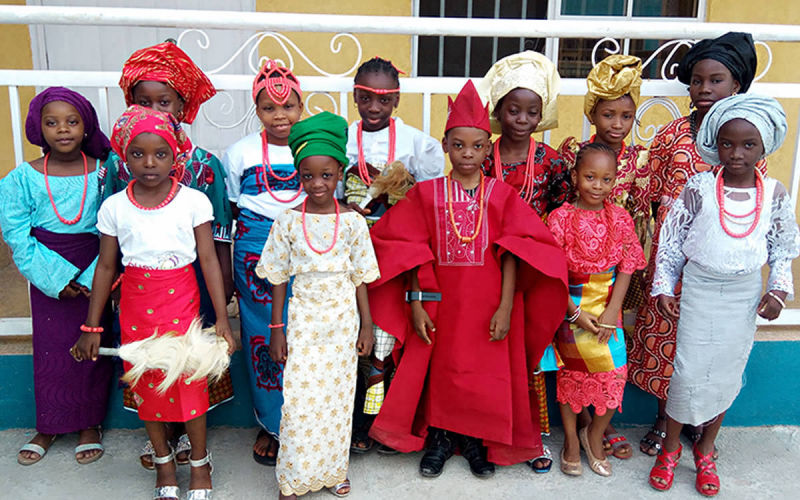
Our teachers introduce history and geography as early as age . The youngest students work with specially designed maps and begin to learn the names of the world's continents and countries. They learn to treasure the richness of their own cultural heritage and those of their friends. Music and movement education will also be important parts of the curriculumas well as the arts. They offer children ways to express themselves, their feelings, experiences and ideas. Montessori schools are very interesting.
The preparatory, Nursery and Basic classes, Academic year consists of 3 terms.
1. First term == September to December
2. Second term == January to March
3. Third term == April to July
ATTENDANCE
It is expected that children will attend school everyday except when illness requires them to stay at home, School requires parents whose children are ill to call Admin department and relay the information. The school will the parent to ask about the welfare of ill children before the end of the day. If the child will be absent from school for any other reason other than illness, parents must inform the school. It is not advised that children miss classes during the term as they miss out on valuable learning.
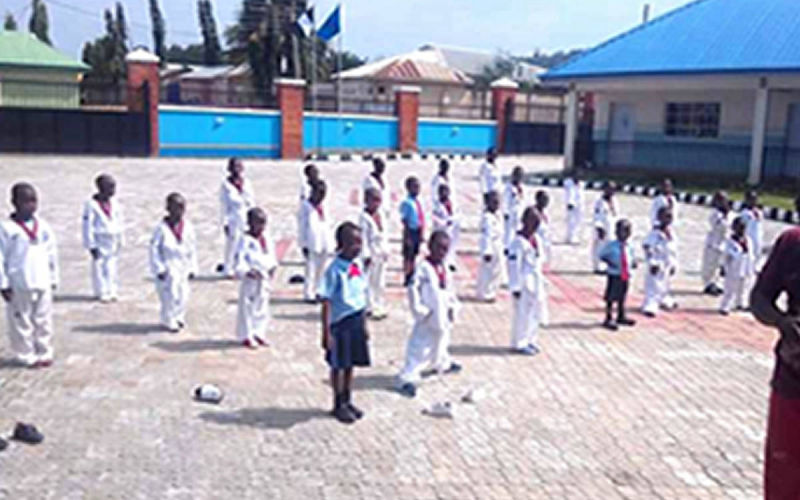
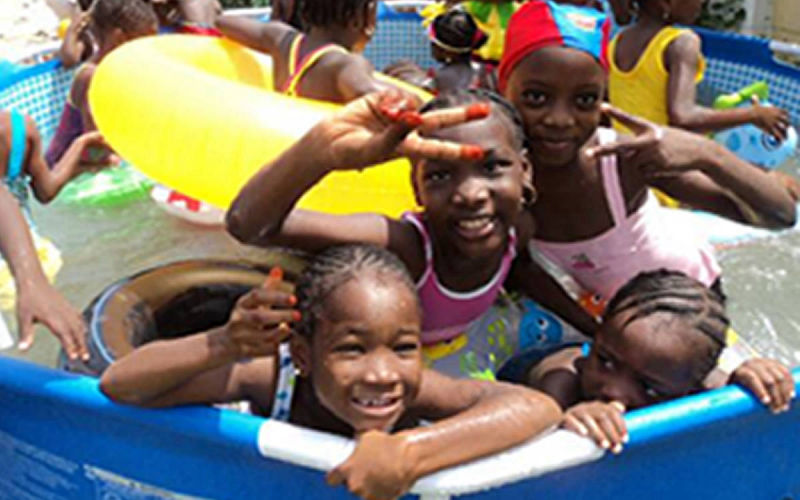
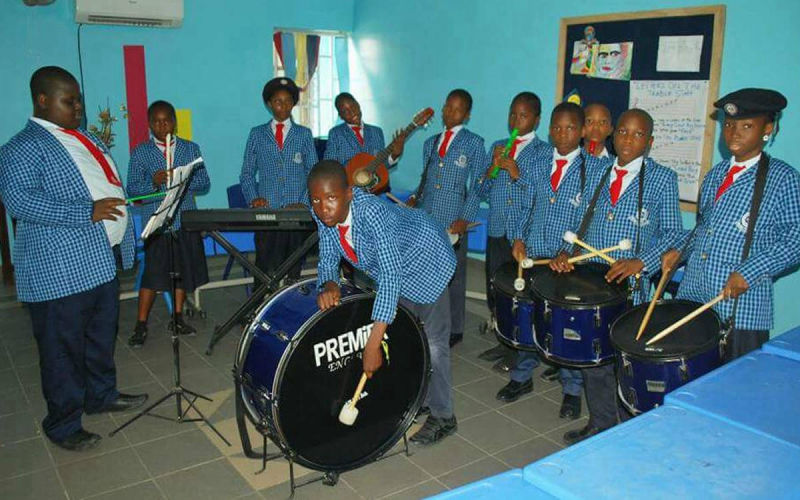
ENRICHMENT PROGRAMMES
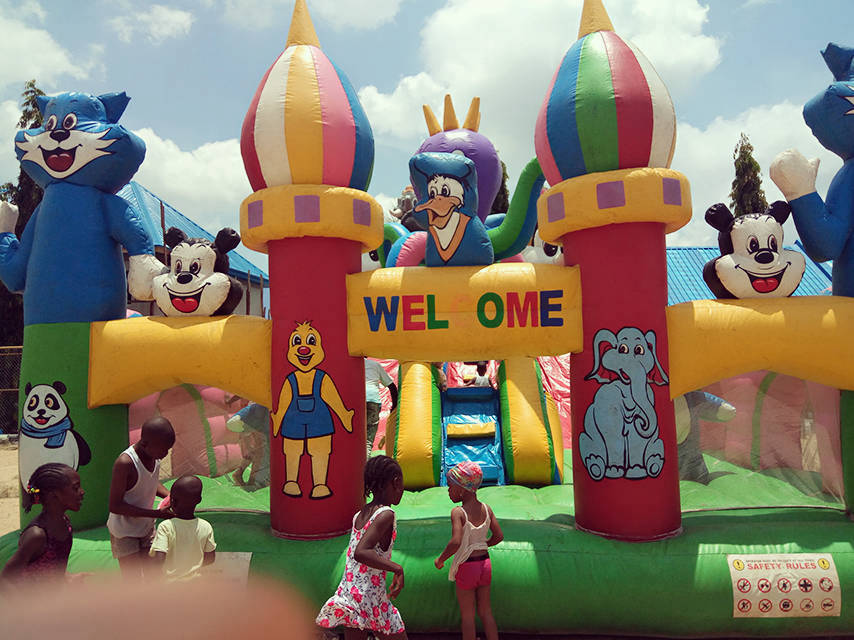
Enrichment programmes are co-curricular activities specially developed and tailored to meet each child's individual needs.
Al-Ali International School, Minna
Plot 51/52 F-layout
Behind School of Health Technology Minna NIger state.
Email: info@alalischools.com
Tel: 08036324481
Tel: 08065553481